
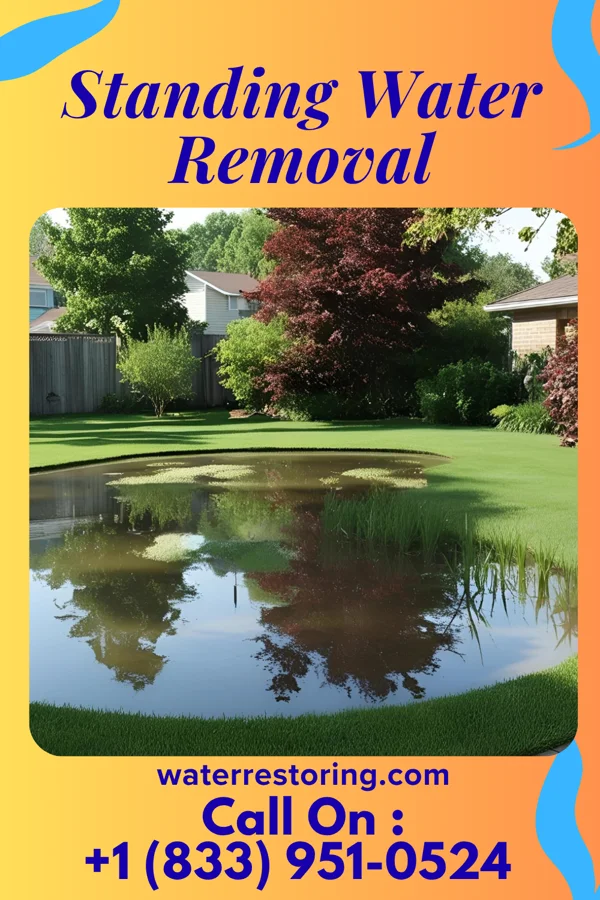
Jacksonville Standing Water: What Owners Should Know
Residential or commercial, water damage emergencies in Jacksonville keep coming back to the same drivers. In Jacksonville, Alabama, the primary water damage causes are often related to heavy rainfall and flooding from nearby Nances Creek, which can lead to basement and crawlspace flooding. Additionally, the area experiences frequent thunderstorms that can result in roof leaks and water intrusion into homes. sits at the top of the list. A close second is Secondary causes include plumbing failures from aging infrastructure, sewer backups due to clogged pipes, and accidental spills from residential water heaters or appliances. These issues are common in the suburban neighborhoods of Weaver, White Plains, and Nances Creek..
Jacksonville's humid subtropical climate increases the risk of prolonged water exposure, which can lead to mold growth and structural damage. The region's frequent heavy downpours and slow drainage contribute to standing water issues, especially in lower-lying areas near Nances Creek.
Water damage in Jacksonville follows a few local patterns. In Jacksonville, Alabama, the primary water damage causes are often related to heavy rainfall and flooding from nearby Nances Creek, which can lead to basement and crawlspace flooding. Additionally, the area experiences frequent thunderstorms that can result in roof leaks and water intrusion into homes. accounts for the bulk of our calls. Jacksonville's humid subtropical climate increases the risk of prolonged water exposure, which can lead to mold growth and structural damage. The region's frequent heavy downpours and slow drainage contribute to standing water issues, especially in lower-lying areas near Nances Creek. Mold can develop rapidly in Jacksonville due to high humidity and frequent water exposure, making it crucial to address water damage within 48 hours to prevent health risks and costly structural damage.